It has been a disappointing week for gamers who still prefer physical media. Sony recently announced that starting in January 2028, it will stop releasing physical games for both the PS5 and future PS6 titles. Reports also suggest that Xbox plans to follow a similar path with its upcoming console, Project Helix.
For players who enjoy collecting discs and cartridges, the industry’s growing shift toward all-digital gaming feels like the end of an era. While PC gamers still have platforms like Steam for digital purchases, console players who want physical copies may increasingly look toward Nintendo.
Nintendo Expected To Stick With Physical Releases
Unlike Sony and Microsoft, Nintendo has a long history of doing things its own way. The company often avoids following major industry trends, and according to analysts, this situation may be no different.
Speaking to VGC, Circana senior director and video game industry analyst Mat Piscatella explained that Nintendo is unlikely to change its strategy simply because PlayStation and Xbox are moving away from physical media.
“My gut says Nintendo does what Nintendo wants to do, and I don’t see them changing anything in their plans based on what Sony or Microsoft do,” Piscatella said. “Nintendo is going to be Nintendo, for better and/or worse.”
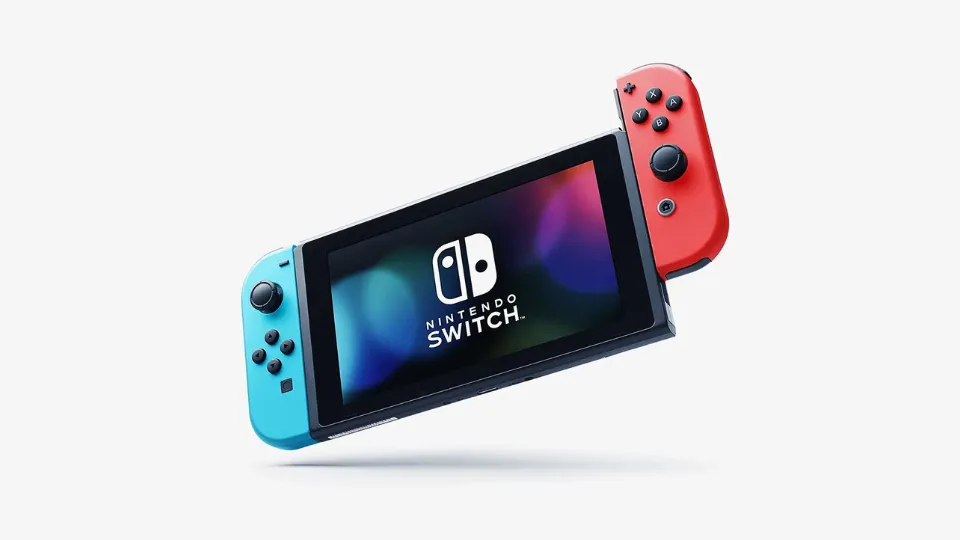
He also pointed out that retailers have increasingly focused on Nintendo products in recent years. Since the launch of the Nintendo Switch 2, the company has maintained a strong share of both physical hardware and software sales, which could encourage continued support for cartridges and boxed games.
Physical Media Still Matters To Nintendo
This does not necessarily mean Nintendo will always support traditional physical releases. The company has already experimented with alternatives through its controversial Game Key Card system, which blends physical ownership with digital access.
However, Nintendo continues to sell significantly more physical game copies compared to PlayStation. Because of that, many believe the company will continue supporting cartridges until demand for physical games declines much further.