OPPO may be preparing one of its biggest software changes in recent years. According to a recent report, the company is considering using ColorOS as the common operating system across its smartphone brands, including OPPO, OnePlus, and Realme.
If the reported plan moves forward, future OnePlus phones may no longer ship with OxygenOS, while upcoming Realme devices could also move away from Realme UI. However, it’s important to note that OPPO, OnePlus, and Realme have not officially confirmed these changes, so they should be treated as industry reports rather than confirmed company plans.
ColorOS Could Become the Common Software Platform
The report suggests that OPPO wants to simplify software development by maintaining a single Android interface instead of three separate ones.
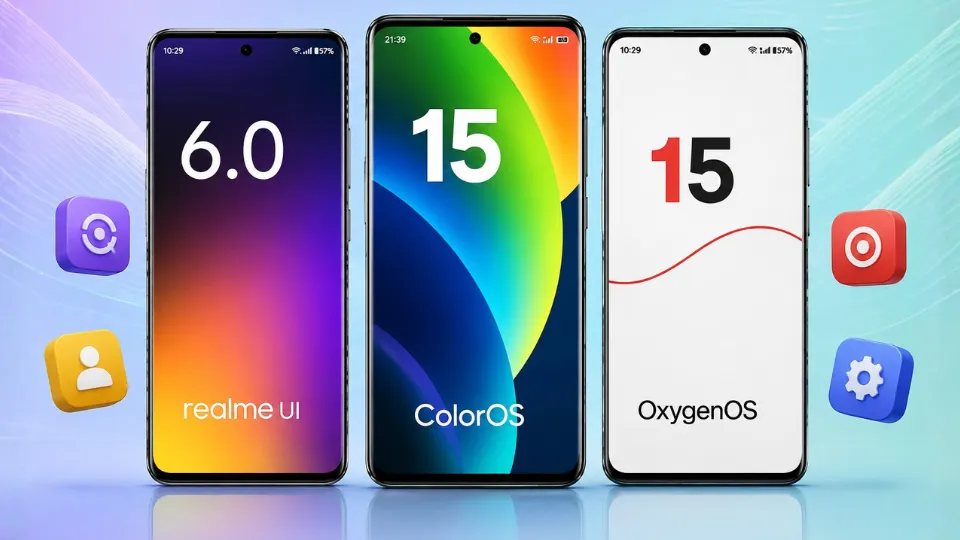
Currently, the company’s brands use different software:
- OPPO smartphones run ColorOS.
- OnePlus devices use OxygenOS.
- Realme phones ship with Realme UI.
Although these interfaces have different names, they already share many technical components behind the scenes. Moving to a single platform could reduce development complexity, improve software maintenance, and speed up feature rollouts across multiple brands.
For users, the overall experience may become more consistent, while OPPO could save engineering resources by focusing on one software ecosystem.
The Move Would Continue a Strategy Started in 2021
This reported transition would not be entirely new.
Back in 2021, OnePlus announced that the underlying codebase of OxygenOS would merge with ColorOS. The goal was to combine OxygenOS’ lightweight experience with ColorOS’ broader feature set.
Since then, many users have noticed that newer versions of OxygenOS have become increasingly similar to ColorOS in terms of design and functionality.
If the latest report proves accurate, adopting ColorOS across future devices would be the next major step in that long-term software integration.
Report Also Mentions Changes to Brand Strategy
Beyond software, the report claims OPPO could also adjust how its smartphone brands operate in different markets.
According to the publication:
- OnePlus may focus primarily on India and China.
- Realme could reduce its presence in China while expanding its focus on international markets.
- OPPO may continue integrating operations across its smartphone brands.
The report also points to closer collaboration between OPPO and OnePlus in certain regions. For example, OnePlus customers in India can already access OPPO’s service network for after-sales support.
However, there has been no official announcement confirming any global restructuring or changes to regional business strategies.
What Could Happen to OxygenOS?
One of the biggest talking points is the future of OxygenOS.
Since the launch of the first OnePlus smartphone, OxygenOS has been known for offering a clean interface, smooth performance, and an experience close to stock Android.
Over time, however, OxygenOS has gradually become more similar to ColorOS after the companies unified their software development. Despite those technical similarities, OnePlus has continued using the OxygenOS branding to maintain its identity.
If OPPO eventually adopts ColorOS across all brands, OxygenOS branding could disappear from future OnePlus smartphones. At this stage, though, this remains speculation based on the report.
Realme Users May Notice Smaller Changes
For Realme users, the transition may be less noticeable.
Realme UI already shares several design elements and software features with ColorOS. Because both interfaces have similar foundations, switching to a common software platform could require fewer visible changes compared to OnePlus devices.
The report specifically discusses future smartphones, and it does not suggest that existing Realme or OnePlus devices will immediately receive ColorOS.
No Official Confirmation Yet
Despite widespread discussion, OPPO has not confirmed plans to discontinue OxygenOS or Realme UI.
The company has also not announced any global restructuring involving OnePlus or Realme. As a result, details regarding the rollout timeline, supported devices, and regional strategy remain unknown.
Until OPPO releases an official statement, these reported changes should be viewed as industry speculation rather than confirmed product plans.
What This Could Mean for Smartphone Users
If OPPO eventually adopts a unified software platform, users could benefit from faster software development, more consistent updates, and a shared feature experience across multiple brands.
At the same time, some long-time OnePlus fans may be concerned about the future identity of OxygenOS, which has been one of the brand’s defining features for years.
For now, there is no change for existing users. Anyone considering a future OnePlus or Realme device should wait for official announcements before expecting any software transition.
Frequently Asked Questions
Will OnePlus replace OxygenOS with ColorOS?
Not officially. A recent report claims this could happen in the future, but OPPO has not confirmed the change.
Is Realme UI also expected to be replaced?
The report suggests future Realme smartphones could adopt ColorOS, although there is no official confirmation.
Will current OnePlus and Realme phones receive ColorOS?
The report focuses on upcoming devices and does not mention an immediate software switch for existing smartphones.
Why would OPPO use one operating system across its brands?
A unified software platform could reduce development costs, simplify maintenance, and make feature updates easier across multiple smartphone brands.
Has OPPO announced a rollout date?
No. There is currently no official timeline because the reported changes have not been confirmed by OPPO.