
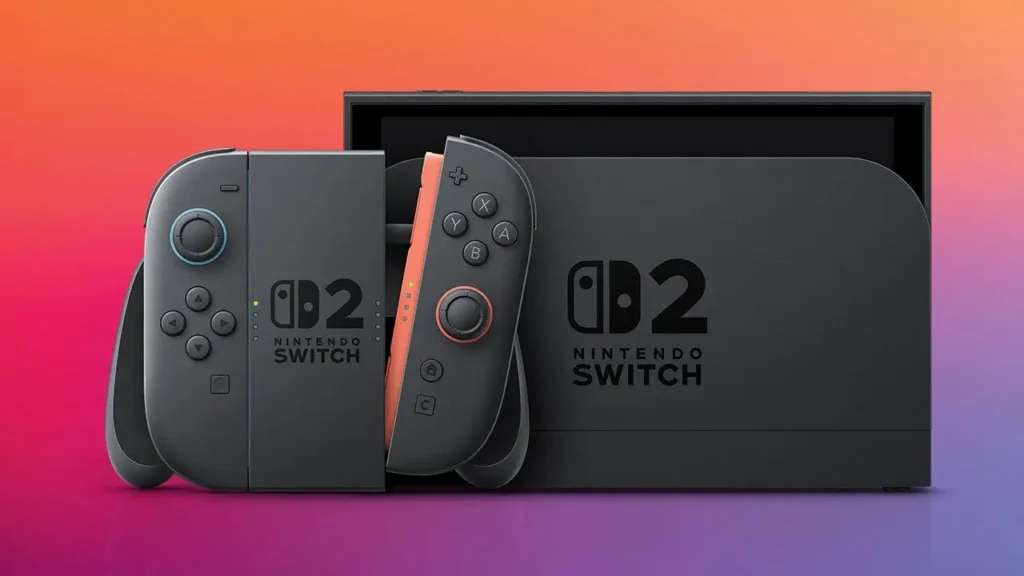
The upcoming European Union battery regulations are bringing noticeable changes to the gaming industry, and Nintendo is one of the latest companies to prepare for the transition. As the launch of Nintendo Switch 2 approaches, the company has confirmed that products sold in Europe will comply with the EU’s new battery requirements, making battery replacement easier for users.
This move is part of a broader effort across Europe to reduce electronic waste, encourage product repairs, and extend the lifespan of consumer electronics. Although the change may not immediately affect how gamers use the console, it represents an important shift in hardware design that could influence future gaming devices.
Nintendo Switch 2 to Meet Europe’s New Battery Requirements
Nintendo has updated its European support information to explain how its products align with the European Union’s Battery Regulation. Under the new rules, portable electronic devices sold within the EU must eventually allow batteries to be replaced more easily, instead of requiring users to replace the entire device when battery performance declines.
This means that Nintendo Switch 2 units released in Europe will be designed to satisfy these legal requirements. Although Nintendo has not revealed the complete engineering changes behind the console’s battery system, the company has acknowledged that its products comply with the upcoming legislation.
For gamers, this is a significant improvement because battery performance naturally decreases over years of charging and use. Instead of considering a new console after the battery weakens, users may have a more practical option of replacing the battery and continuing to use the same device.
Why Europe Is Introducing These Rules
The European Union introduced battery regulations to address the growing amount of electronic waste generated annually. Many modern electronic products use permanently sealed batteries that are difficult or expensive to replace, causing consumers to discard otherwise functional devices once their battery capacity declines.
The new regulation focuses on improving product sustainability by making batteries easier to replace and encouraging manufacturers to design longer-lasting devices.
The regulation also aims to reduce unnecessary waste, increase repair opportunities, improve the recycling of battery materials, and give consumers greater control over maintaining their devices.
Rather than encouraging frequent hardware replacement, the EU wants electronic products to remain usable for many years through easier maintenance and repair.
What Will Change for the Nintendo Switch 2?
Nintendo has not confirmed every technical detail of the battery system, but the company has indicated that the Switch 2 models sold in Europe will comply with the new legal framework.
This does not necessarily mean that batteries will slide out instantly, as in older handheld consoles. Instead, the regulation mainly requires that batteries be replaceable without causing damage to the product and without relying on extremely specialized tools or procedures.
Manufacturers still have flexibility in how they meet these standards, provided that the design follows the legal requirements established by the European Union.
As a result, Nintendo may have introduced internal structural changes that make battery servicing significantly easier than in previous generations.
A Positive Change for Long-Term Owners
Battery health is one of the most common issues affecting portable gaming devices after years of use. As batteries age, users often experience shorter play sessions, longer charging times, and reduced performance.
With replaceable batteries becoming part of future European requirements, long-term ownership is becoming more practical. Instead of replacing an entire gaming console owing to battery wear, users can simply install a new battery and restore much of the device’s original battery life.
This approach benefits consumers by reducing replacement costs and supporting environmental goals through lower electronic waste.